If you’ve ever been curious about the differences between epoxy resin vs UV resin, you’re in the right place!
These two resins may seem similar at first, but they have some key differences that can totally change how you approach your projects.
Let’s dive in and explore the amazing things you can create with both!
Getting to Know Epoxy Resin
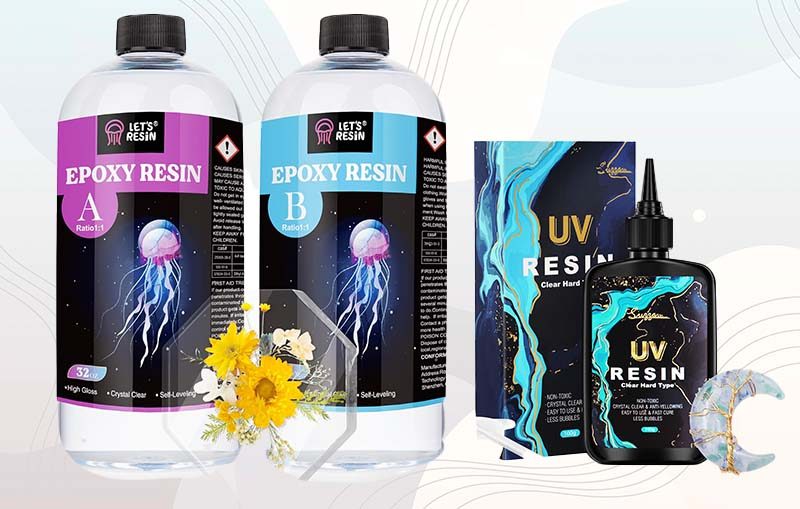
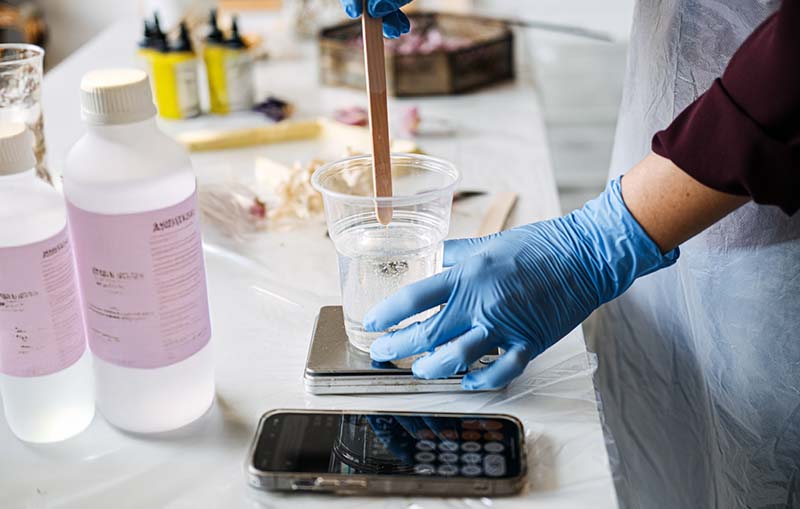
Let’s start with epoxy resin. This type of resin usually comes in bigger bottles and consists of two parts: Part A (the resin) and Part B (the hardener). To use it, you have to mix equal parts of both together—this activates the chemical reaction that makes it harden.
Mixing is a must with epoxy resin, but the good news? It’s way more cost-effective than UV resin, especially if you’re working on larger projects.
What You Need to Know About Epoxy:
- Longer cure time: A thin coat can take 5-6 hours to set, but I personally recommend waiting at least 8-12 hours before handling your piece.
- Self-leveling magic: Epoxy naturally levels itself out, which is perfect for tumblers—just make sure to keep them rotating so the resin spreads evenly!
- Best for: tumblers, large silicone molds, and complex 3D pieces. If you’re making a glitter tumbler, epoxy resin is the only way to go!
- Mold-friendly: Since it cures from a chemical reaction rather than light exposure, epoxy works perfectly for deeper and opaque molds!
No products found.
Exploring UV Resin
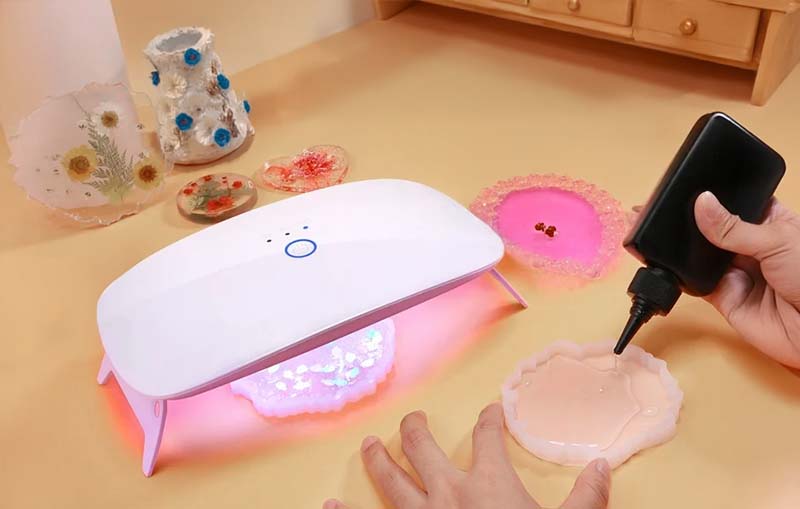
Now, let’s talk about UV resin! Unlike epoxy resin, UV resin comes ready to use—no mixing required! Just squeeze it straight from the bottle and you’re good to go.
But there’s a catch: UV resin only cures when exposed to UV light. You can use sunlight, but for consistent results, I recommend getting a UV nail lamp (at least 50 watts)—this will ensure your resin cures properly every time.
Why You’ll Love UV Resin:
- Fast cure time: Each layer hardens in 1-2 minutes under a UV lamp—so if you’re layering, your project can be done in under 10 minutes!
- Best for: Acrylic blanks, shallow molds, and jewelry. If you’re making cute little keychains or pendants, UV resin is perfect.
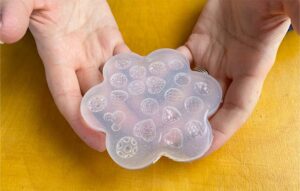
- Clear molds work best: Since UV light needs to reach all areas of the resin, it’s best to use shallow, clear silicone molds for your projects.
While UV resin is super quick and easy to use, it’s not great for large, thick, or opaque molds since the light won’t reach deep enough to cure everything evenly.
No products found.
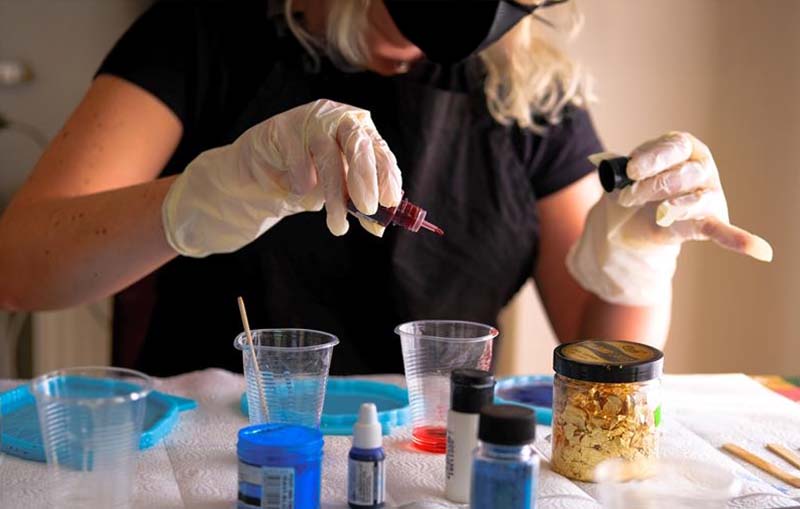
Safety First! Resin Crafting Tips
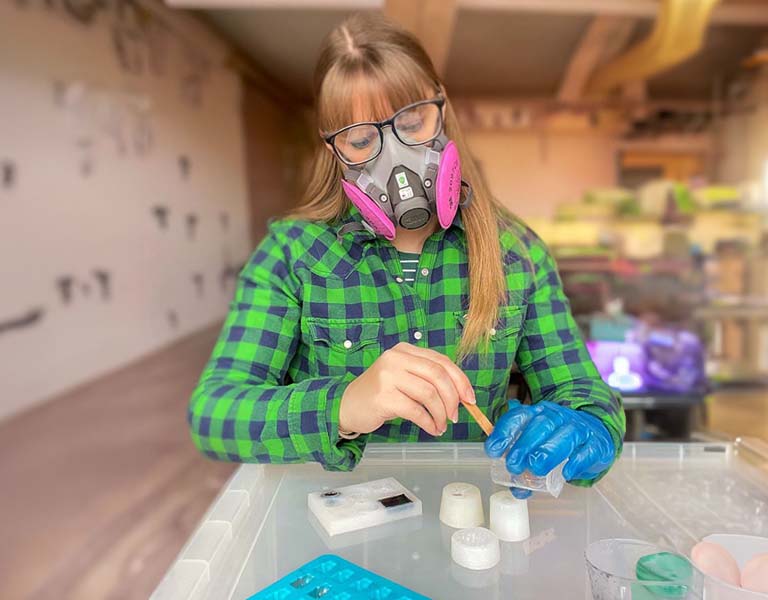
Both epoxy resin and UV resin are chemicals, so it’s important to take some simple precautions to keep yourself safe while crafting:
- Wear gloves – Always protect your skin from resin exposure.
- Use a mask – An N95 mask is great for extra protection, especially when working with epoxy resin.
- Work in a well-ventilated area – Open windows, turn on fans, or even work in your garage to keep fresh air flowing!
Taking these steps ensures that you can enjoy your epoxy resin and UV resin projects safely while having tons of creative fun!
For all your safety gear needs.
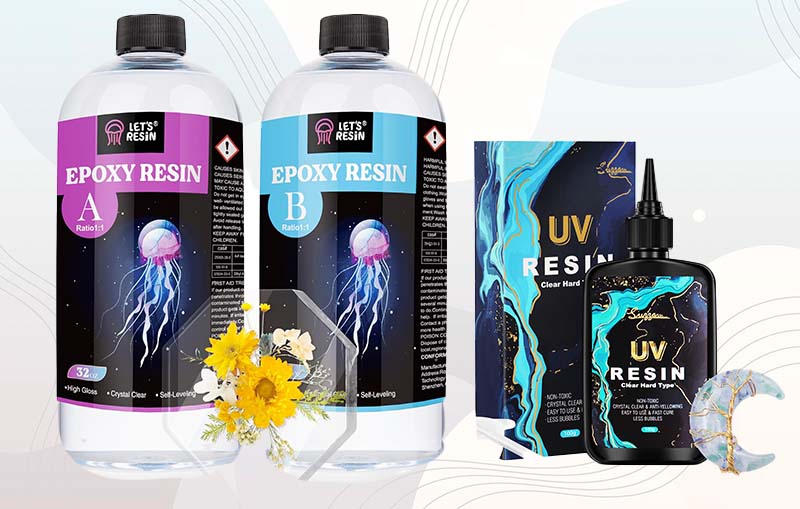
Epoxy Resin vs UV Resin – A Quick Recap!
If all this info feels like a lot, here’s a quick summary to make it easier:
| Feature | Epoxy Resin | UV Resin |
|---|---|---|
| Mixing Required? | Yes (1:1 ratio) | No |
| Cure Time | 5-12 hours | 1-2 minutes per layer |
| Best for | Tumblers, deep & colored molds | Jewelry, acrylic blanks, shallow clear molds |
| Self-Leveling? | Yes | No |
| Curing Method | Chemical reaction | UV light |
When it comes to epoxy resin vs UV resin, both are amazing for different types of projects—so it really depends on what you’re creating!
If you’re making large, glittery, or detailed projects, epoxy resin is your best friend. But if you need a quick, small, and clear resin piece, UV resin is the way to go!
Have any questions? Drop them in the comments—I’d love to help! And if you want to chat more about epoxy resin vs UV resin, crafting, or anything creative, let’s connect on social media. Happy crafting!
FAQ: Epoxy Resin vs UV Resin
Can I use epoxy resin and UV resin together?
Yes! You can use UV resin to add small details or quick-drying top layers on epoxy projects. Just ensure the epoxy is fully cured before applying UV resin.
Why is my UV resin sticky even after curing?
Sticky UV resin usually means it wasn’t fully cured. Try using a stronger UV lamp (50W+) or curing for a longer time. Also, ensure your resin isn’t expired!
Can epoxy resin be cured with UV light?
No, epoxy resin cures through a chemical reaction and does not respond to UV light. It requires time and proper mixing to fully harden.