Are you looking to create your first silicone mold? Crafting your very own custom silicone molds is an absolute game-changer, opening up a whole new world of possibilities for your work. When learning how to make silicone molds it’s important to understand what essential tools you’ll need.
Having the right equipment is crucial when making a silicone mold, so let’s explore the essentials!
How to Make Silicone Molds- Essential Tools List
Here’s a shortlist of the things you’ll need to make silicone molds. We’ll go into detail on each item:
-
An Item To Cast
-
Silicone Rubber
-
Silicone Release Spray
-
Containers, Cups & Sticks
-
Mold Boxes or Containers
-
Safety Equipment
Note: Try to always wear gloves as a precaution. I’ve never got silicone on my hands due to wearing gloves, which means I don’t know about potential causes of mixed and un-mixed silicone getting onto bare skin. So just to be safe, wear a pair of gloves. These nitrile disposable gloves do the job perfectly. Especially as they’re powder free.
No products found.
Silicone rubber – The Foundation of Mold Making
First up, we have the star of the show: silicone rubber. This versatile material is the foundation of any successful silicone mold, and choosing the right type is key. There’s a wide variety to choose from, each with its unique properties and curing times.
You’ll want to pay close attention to the shore hardness, which is a measurement of the rubber’s firmness. Generally, you’ll want to stick to a shore hardness between 20A and 40A for most mold-making projects. Anything harder than that, and you risk damaging your delicate models during the demolding process.
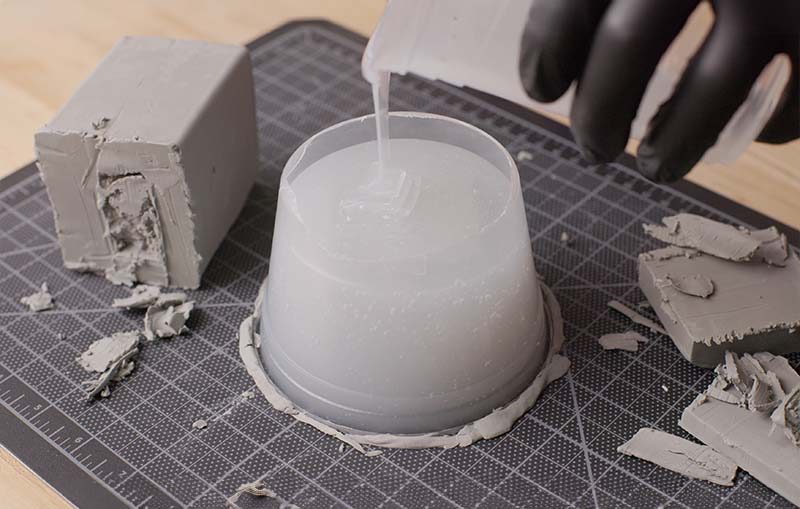
As for cure times, you’ll find that silicone rubbers can range from as little as 30 minutes to several hours. Faster cure times are great for speedier projects, but slower cure times often result in a more flexible and durable mold. Some of my go-to silicone rubber brands include Smooth-On and Alumilite. Their products are top-quality and come in a variety of shore hardnesses and cure times to suit your every need.
No products found.
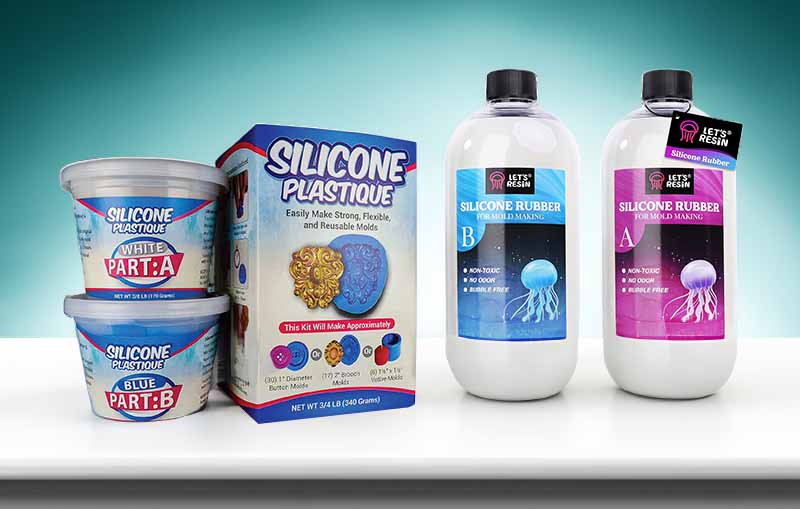
Here are some of the best mold making kits on the market that are easy to use and beginner friendly.
Continue Reading The Best Mold Making Kits for Resin, Concrete and Chocolate
Silicone Mold Release Spray
Next on our checklist is the often overlooked but oh-so-important silicone mold release spray. Think of it as the tool that prevents your masterpiece from becoming a sticky situation. Silicone mold release spray is absolute must-have for ensuring your molds release cleanly every time.
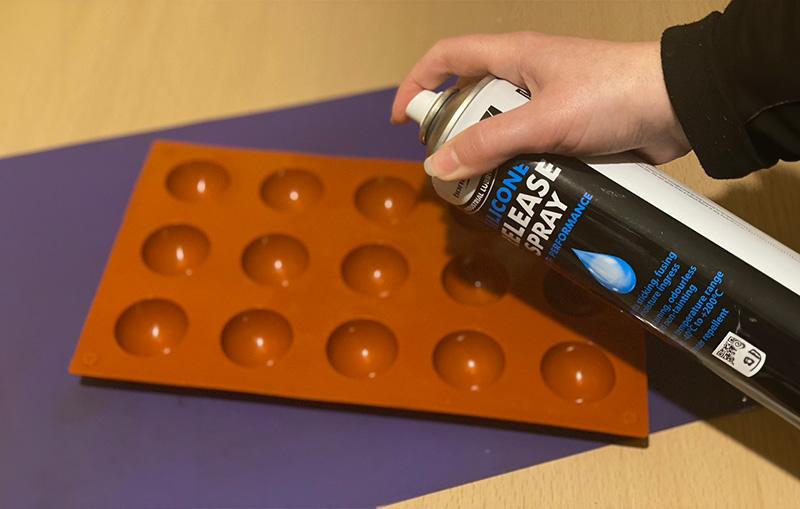
When it comes to applying your mold release spray, technique is everything. I recommend using a brush to apply a thin, even coat to your model or mold surface. Be sure to get into all the nooks and crannies, and don’t forget to let it dry completely before proceeding with your silicone pour.
No products found.
Mixing Containers, Stir Sticks and Measuring Cups
Now, let’s talk about the unsung heroes of mold making: mixing containers and stir sticks. These humble tools play a crucial role in ensuring your silicone rubber is mixed to perfection. Trust me; you don’t want to skimp on quality here.
Invest in a good set of measuring cups with clear markings and a reliable digital scale for accurate weight measurements. And don’t forget those handy conversion charts for translating between volume and weight measurements – they’ll save you a world of headaches.
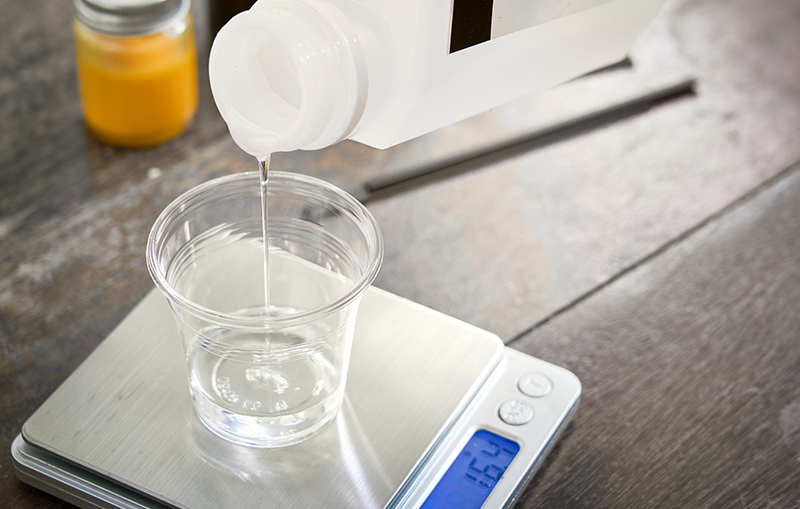
Proper mixing is key to achieving a smooth, bubble-free silicone mold, so don’t skimp on the technique either. Start by measuring your silicone rubber and catalyst (hardener) precisely using those trusty measuring cups and scales. Then, pour the rubber into your mixing container and slowly add the catalyst while stirring continuously. Scrape the sides and bottom of the container to ensure everything is fully incorporated.
Fortunately you can pick up a lot of these tools in kits so you don’t have to get everything separately.
No products found.
Mold Boxes and Containers
Now, let’s talk mold boxes and containers. These are what will give your silicone mold its shape, so choosing the right one is crucial. For simple shapes, plastic or silicone mold boxes are a great option. They’re lightweight, easy to use, and come in a variety of sizes and shapes.
If you’re working with more complex or intricate models, however, you might want to consider a wooden mold box. These can be custom-built to fit your specific needs and often have features like draft angles (slanted sides) to aid in the demolding process. Just be sure to seal the wood properly to prevent any unwanted absorption or leakage.
No products found.
Item for Casting
Of course, before you can even think about pouring that silicone, you’ll need to either find something to cast, or create your original model or sculpture. That’s where sculpting tools come into play. These handy little gadgets come in all shapes and sizes, each designed for a specific sculpting task.
When it comes to sculpting materials, polymer clay, wax, or even oil-based clay are all excellent options for creating your original model. Just be sure to properly prepare your surface with a mold release spray to prevent sticking or distortion.
Make Silicone Molds Safely
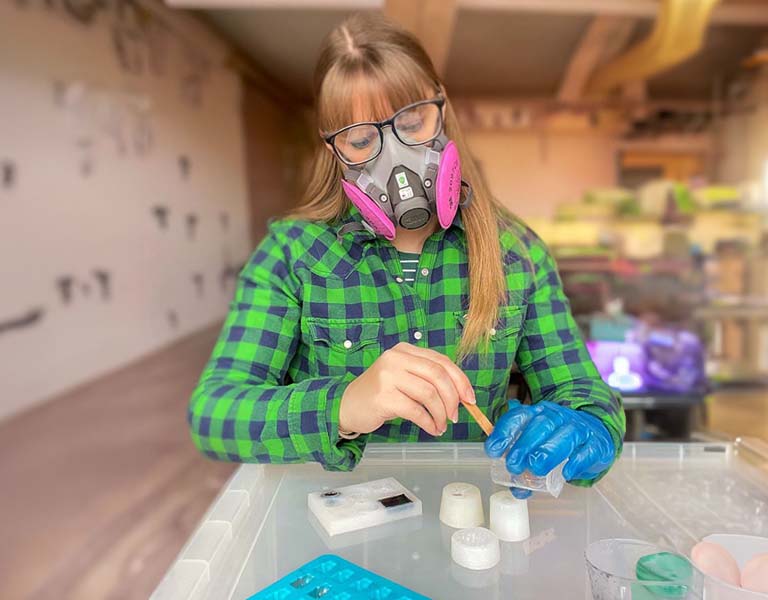
Last but certainly not least, let’s talk safety. Working with silicone and other mold-making materials can be hazardous if you’re not properly equipped, so it’s essential to have the right safety gear on hand.
At a minimum, you’ll want to invest in a good pair of nitrile gloves to protect your hands from potential skin irritation or chemical exposure. A respirator mask is also a must-have, especially when working with silicone rubbers or release agents that produce fumes.
And don’t forget those trusty safety glasses! They’ll shield your peepers from any errant splashes or spills, ensuring your mold-making adventures remain as safe as they are fun.
Proper ventilation is also key when working with these materials, so be sure to set up your workspace in a well-ventilated area or consider investing in a fume extractor to keep the air clean and breathable.
If you have any of your own tips on how to make silicone molds, please pop them in the comments below this post, or please come and share them in the silicone mould addicts Facebook group. If you haven’t already joined, click here and come say hello.
Tools to Make Silicone Molds – FAQs
How long does the entire process of making a silicone mold take from start to finish, including curing time?
The time it takes to make a silicone mold, including curing, can vary based on the product used but generally ranges from a few hours to a full day
Are there any specific environmental conditions, like temperature or humidity, that affect the quality or success of the silicone molds?
Environmental factors like temperature and humidity can significantly affect the curing process and the final quality of the mold; for example, higher humidity can prolong curing time.
Are there any step-by-step instructions or best practices for beginners who are attempting to make silicone molds for the first time?
Beginners should start with simple projects, follow the product instructions carefully, and ensure they work in a well-ventilated area to avoid inhaling fumes. Here is a step-by-step guide on how to make a silicone mold